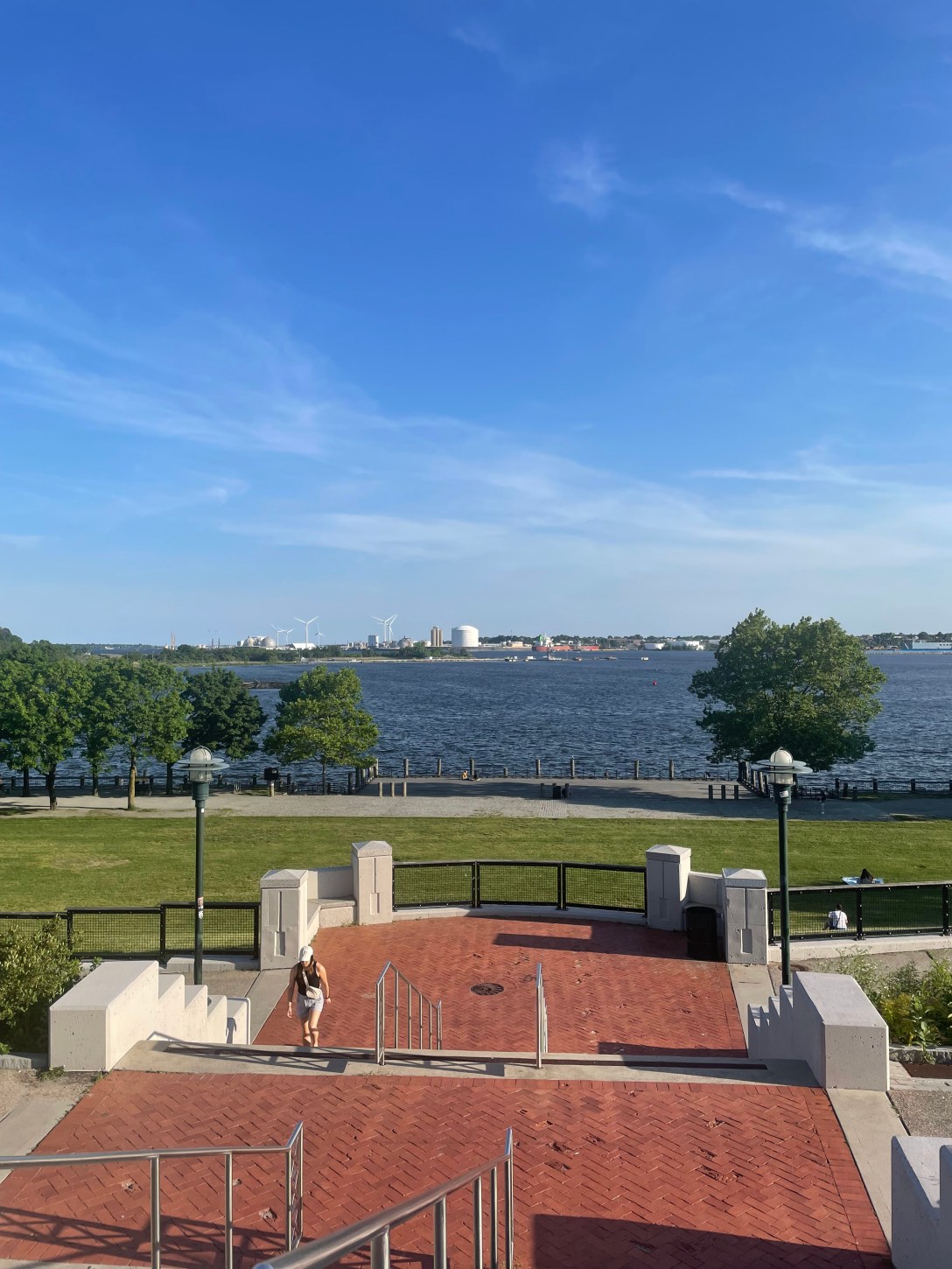
Providence, Rhode Island (Day 2) – June, 2024

[Continued from Day 1]

At 5:00 AM, I stepped outside of my temporary lodging into the New England street. As I soaked in the chilly morning air, I was startled. The temperature, the moisture, and the signature scent of the Atlantic Ocean hit my olfactory nerves, and I was immediately transported back five years ago to when I used to live in Boston, MA. I looked around. It felt as if I were putting on an old cloth stored in the furthest corner of your closet, and it just fits my body perfectly. All the thoughts and emotions started to rush back to my prefrontal cortex. It was as if I were meeting an old friend. It felt as if another persona had been lying dormant, ready to be let out when the conditions were right.

A view of the neighborhood from my room.

Since there was plenty of time before the seminar started, I decided to go for a walk and explore the little town a little bit. I wanted to revisit the city of Providence, Rhode Island, to see if it had changed at all since I last visited about five or six years ago. I had visited this place for a few hours from Boston as a quick weekend trip. The Rhode Island I remembered was quiet, old, and Victorian. I started to walk towards the residential area, away from Downtown Providence.

Many of these colonial houses have a date of construction posted in front of the house.

Past the Colonial houses, I found a row of small shops near Fox Point. The beauty of this petite town cannot be replicated elsewhere without its ambiance. It’s a town that has survived the darkness, the frostiness, and the loneliness. The history infuses a sense of solemn defiance in the neighborhood.

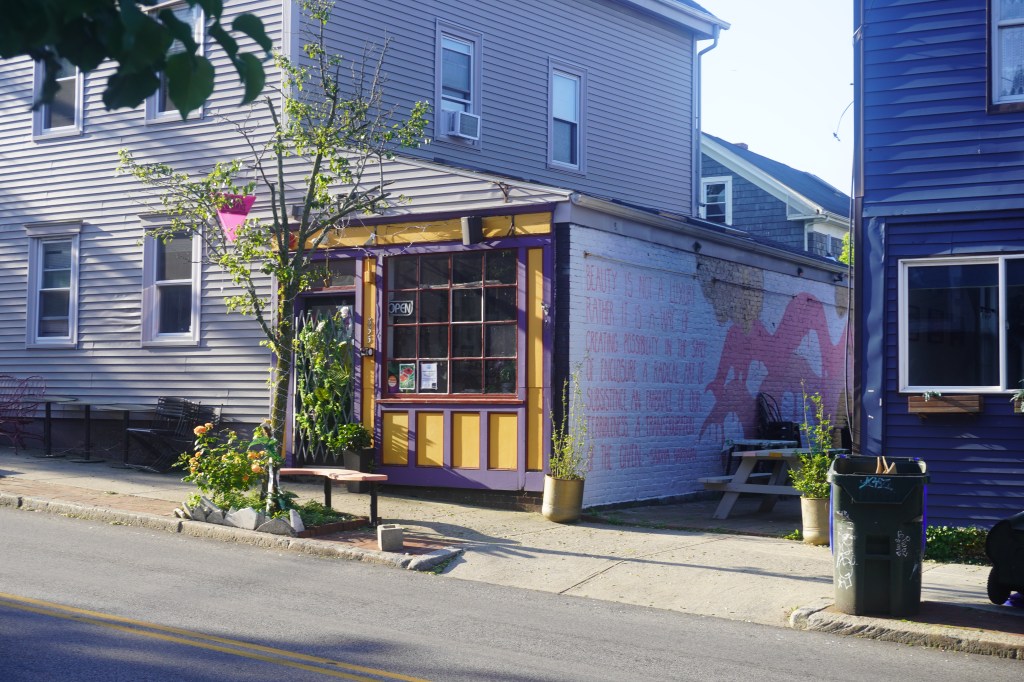
“Beauty is not a luxury; rather it is a way of creating possibility in the space of enclosure, a radical art of subsistence, an embrace of our terribleness, a transfiguration of the given.” – Saidiya Hartman

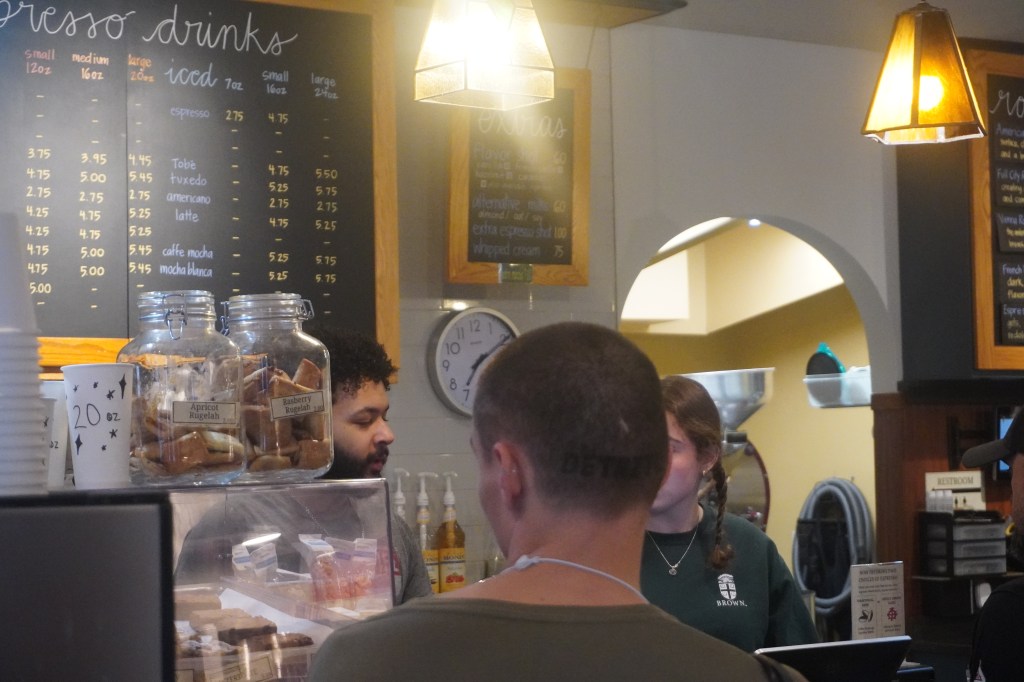
On Wickenden Street, I found a few brunch restaurants. One of them was Coffee Exchange (207 Wickenden St.). It’s a two-story café, and patrons were already filling the seats in the morning. The line was long, and the barista seemed to recognize their regulars. They had a family-like atmosphere and offered a wide range of coffee selections.

After getting a cup of dark roast drip coffee (it wasn’t memorable), I walked back to my lodging. I stopped by In The Pink (213 Thayer St.), a pink-themed smoothie shop that offered $10-a-pop smoothie. I especially liked a drink called “Hair of the Dog”, which was colored pitch black, yet had a fresh kick of pineapple juice. I’d definitely give it 5/5.

With a smoothie in my hand, I joined the second day of the workshop.

After the workshop, I was invited to visit a local brewery, Narragansett Brewery (271 Tockwotten St.), by one of the local students. My colleague and I joined her at the brewery. The conversations primarily focused on the technical details of career prospects. We sat outside on a small balcony table with an industrial umbrella over our heads. I munched on a large pretzel as we sipped on a beer sitting near the Providence River.

After our beer chat, we parted ways. I decided to take a walk back to the lodging because it was not too far from where we were, and I wanted to explore Providence. I have learned that some people grew up with many animals around them. They explained it as such: When an animal passes away, a new one is welcomed into the family, completing the circle of life. I decided to keep at least a dog and a cat when I can do so.

The dinner place we chose was Hemenway’s Restaurant (121 S Main St.).

As we sat, I noticed two sets of knives and forks arranged on each side of the table. As I stared at them quizzically, I received a quick tutorial on the country club etiquette of using each pair for a specific meal type. Regrettably, upon receiving this tidbit of high-class mannerism, I quickly denigrated to using whatever utensils I wanted to use. I saw a flash of horror pass by the face of my colleague, as if witnessing a barbarianism. I promised myself to acquaint myself with proper dining etiquette later.

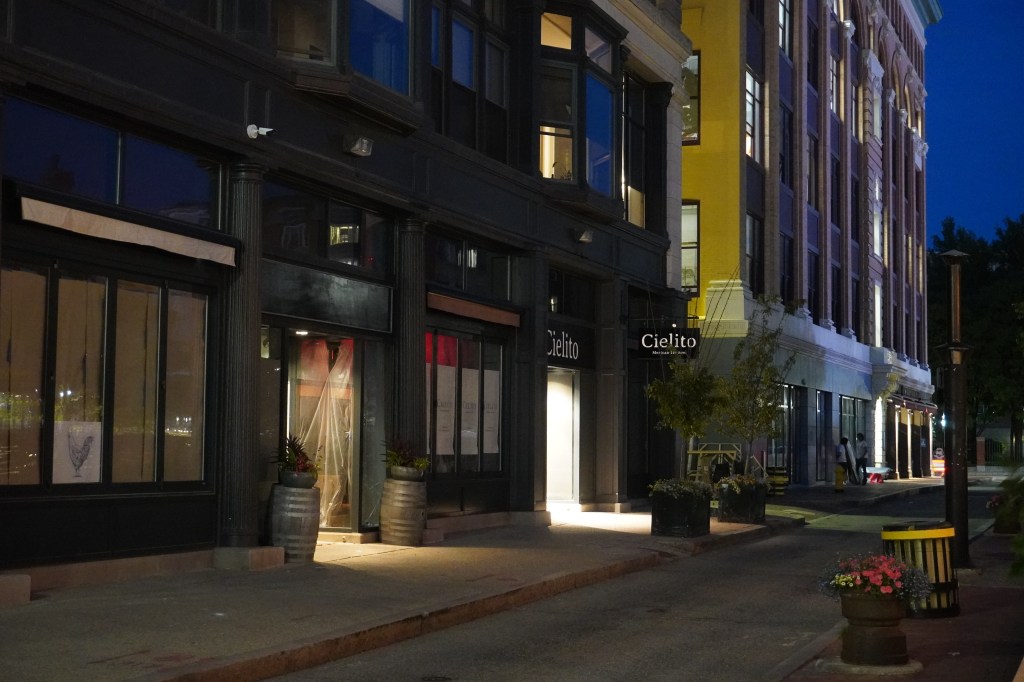
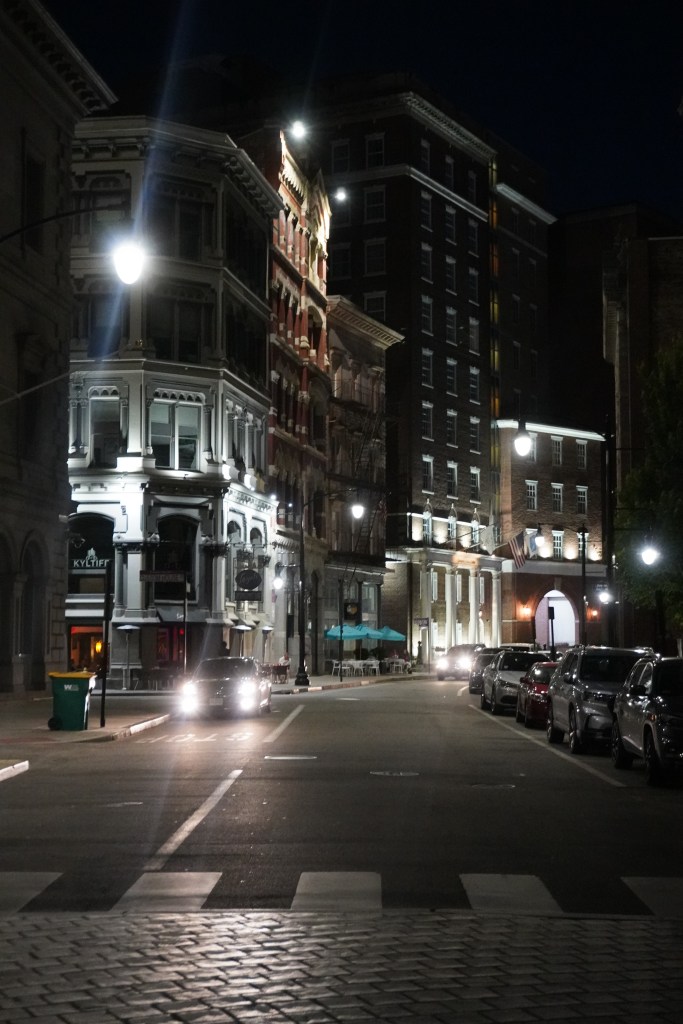
The dinner was sufficient and somewhat satisfactory (3.5/5). After the dinner, I decided to take a walk in downtown Providence to digest the food. The city was eerily empty. After snapping a few pictures, I decided to walk back home.
I will continue on with the final day 3.

Alcohol: Negative Cognitive Health Effect

Drinking alcohol is prevalent in most cultures. Some claim that liquor is a social lubricant, allowing people to bond. But many would also attest to feeling they couldn’t walk straight, talk without slurred speech, or remember what happened the day after drinking alcohol. In this post, we will explore the potential long-term adverse effects of drinking liquor.

Please note depending on where you live, there may be an age limit (e.g., 21 years old if you live in the United States) on when you can legally purchase and drink alcohol.

What are Alcoholic Drinks?

Liquor is an alcoholic drink often produced by distilling fermented grains, fruits, or vegetables. Common types of liquor include beer, wine, and hard liquor, such as whiskey.

The United States Centers for Disease Control and Prevention (CDC) recommends 1 or fewer drinks in a day for women and 2 or fewer drinks in a day for men. A “drink” standard drinking size in the United States contains 14 grams (0.6 ounces or 1.2 tablespoons). This is equivalent to:

  • 12 ounces of 5% alcohol beer
  • 8 ounces of 7% wine
  • 1.5 ounces of 40%alcohol liquor.

The CDC defines binge drinking as drinking 4-5 or more drinks a day and heavy drinking as drinking 8-15 or more drinks per week. Binge drinking could lead to alcohol poisoning, a medical emergency from high blood alcohol levels because excessive drinking exceeds the body’s capacity to process alcohol.

Symptoms of alcohol intoxication include decreased judgment and control, slurred speech, reduced muscle coordination, vomiting, reduced consciousness and cognitive function, and coma.

What Are the Effects of Alcohol on Cognitive Health?

Heavy drinking was found to be associated with an increased risk of dementia. A 2018 longitudinal study in the United Kingdom following people’s alcohol consumption level for 23 years suggests that those who drank more than 14 drinks a week had an increased risk of dementia.

A 2019 systematic scoping review conducted on articles published between 2000 and 2017 suggests that heavy alcohol use was associated with changes in brain structures, cognitive impairments, and increased risk of dementia. A 2023 systematic review in Europe also found a similar effect: moderate to high alcohol consumption was associated with an increased risk of cognitive impairment, memory loss, and risk of dementia.

Another study conducted in 2019 with 785 individuals from the Jackson Heart Sleep Study suggests that evening drinking alcohol can impair sleep quality, which may lead to a high likelihood of memory impairment and other cognitive functions.

Other effects of drinking alcohol include:

  • Liver disease: fatty liver, cirrhosis, hepatitis, fibrosis, and liver cancer
  • Heart disease: arrhythmias, cardiomyopathy (enlarged heart), hypertension, stroke
  • Muscle loss: muscle waste (reduced muscle tissue)
  • Depression & Anxiety: higher likelihood of depression & anxiety
  • Obesity: increased likelihood of weight gain

Are There Benefits of Drinking Alcohol?

A moderate amount of drinking (1-2 drinks) was associated with a lower risk of dementia. Some studies suggest light drinking (drinking low alcohol content) can help with rehydration after a workout, but some studies produced evidence suggesting that it may impair muscle recovery.

In the early 2000s, discoveries were made that resveratrol, a chemical found in red wine, has an antioxidant property that may have an anti-aging effect in mice. However, the researchers also found that you would have to consume about 1000 bottles of wine in order to find a similar effect in humans.

Summary

We explored the effects of alcohol on our mind, body, and overall health. Drinking above the recommended amount of alcohol (1-2 drinks) was associated with an increased risk of cognitive decline. We hope this post has helped you learn some of the consequences of excessive drinking and help you have a healthy drinking life. Please drink (if you are legally allowed to) responsibly!

If you have an alcohol disorder or any other health concerns related to alcohol, please contact your physician or the SAMHSA (Substance Abuse and Mental Health Services Administration).