Providence, Rhode Island (Day 3) – June, 2024

Small Point Cafe

Final day of the Rhode Island trip.

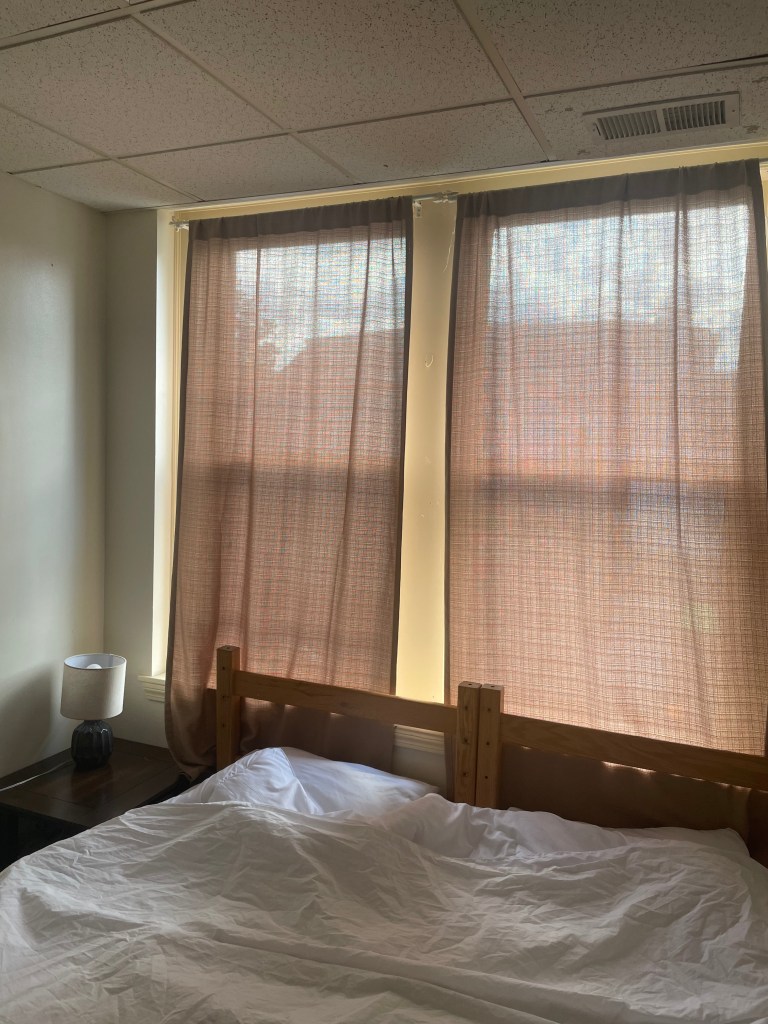
I got up early again, with my eyes puffy and inflamed because of sleep deprivation. One last seminar awaited me, and I still wanted more of Providence. I packed my bags and took a last look around the room before checking out.

I got my smoothie from In The Pink (213 Thayer St.) and headed to the seminar. There wasn’t much to listen to. I felt the second day had the most relevant topics. My mind wandered about where I could go to explore more of Providence.

After the seminar, I was invited to a Korean fried-chicken restaurant called Den Den Korean Fried Chicken (182 Angell St.). As a Korean whose taste buds have met the pinnacles of Fried Chicken in this category and shot my standards way up, these were subpar (personally, 2/5; Google says 4.5/5). As I finished this meal, my day just freed up.

There was already a sense of mourning. It felt like an adventure was just about to start in Providence, but it ended abruptly. I sought ways to salvage it, but I knew I needed to return. A burdening sense of pressure took its place at the back of my mind, calling me back home to work, and I agreed with it.

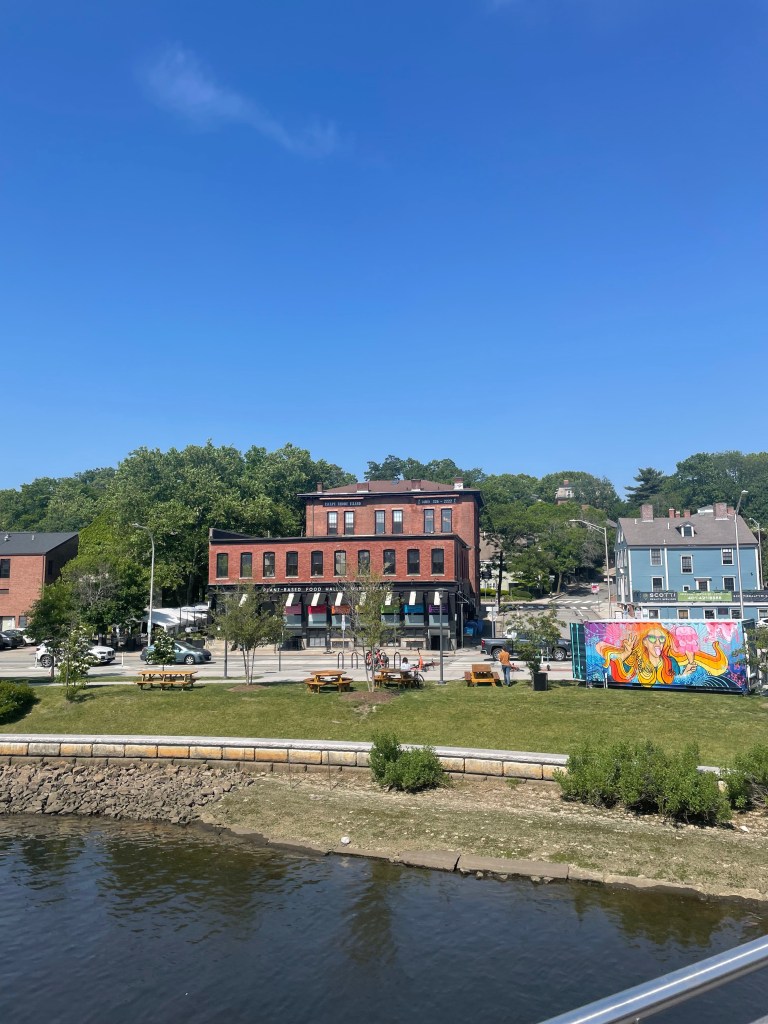
Eventually, I made a compromise: a short walk by the Providence river.

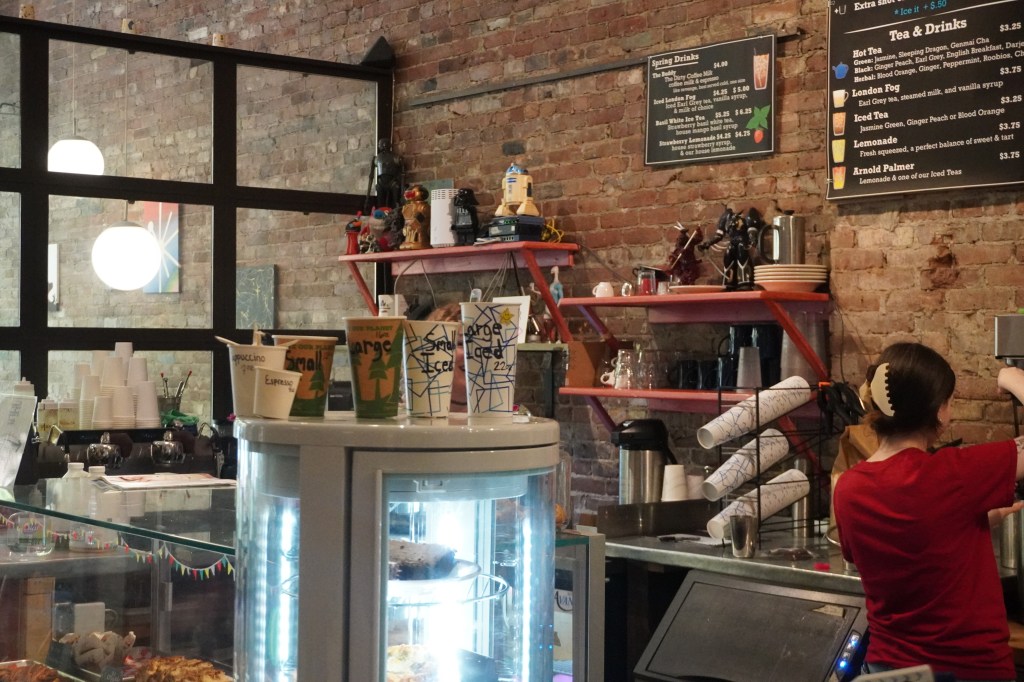
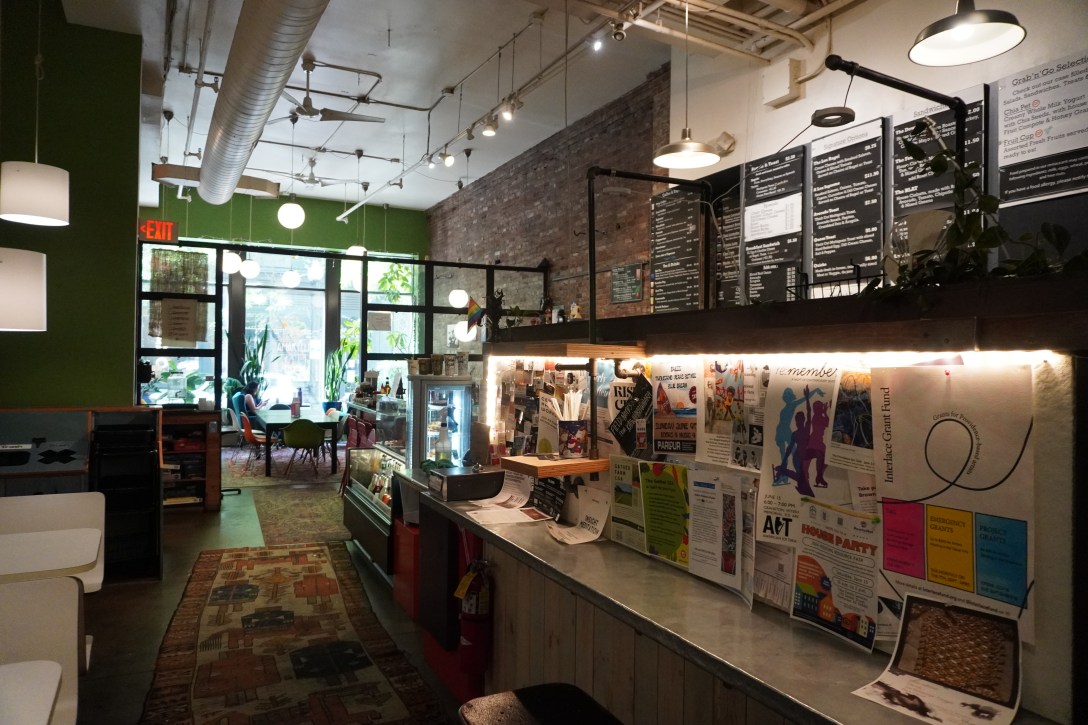
After the short walk, I visited a cafe called Small Point Café (230 Westminster St.). It had a Boston/NYC cafe vibe: hipster, homey, and bookish.

Entrance of Small Point Café.

One thing to note about this cafe is that it closes a bit early (at 4 PM) on Mondays ~ Thursdays. Closes a bit later on Fridays ~ Sundays.

After working in the café for a few hours, I stopped by Symposium Books (240 Westminster St.). I bought a magnet from this bookstore that said “Providence, Wicked Nice”. It captured what I thought of Providence perfectly, and I bought it to commemorate the visit.

Symposium Books.

I remember visiting this bookstore once, when I lived in Boston, MA. While it piqued my interest, I found none of the book appealing. Alas, I took the place and returned to my apartment. Albeit short, Providence, Rhode Island, left a strong impression. It’s a pleasant place to visit during the summer. Don’t expect too much from the food. Enjoy the scene and the relationships you build with people there.

Gotta get a slice of pizza when I’m back at home.

Coffee

black coffee
sipping on its bitterness
why do people drink this
it’s cat piss that’s what this is
you need this shit to get it?
nah, keep it’s bullshit
you get it with your spirit
working this its freaking lit
let’s get it going
we’re all night working

4.9.2024

Coffee: Cognitive Health Effects

Have you ever had a sip of a coffee in the morning and felt a jolt of energy that immediately woke you up? Have you wondered if there could be any lasting effects of drinking coffee? Today, we will explore the cognitive effects of drinking coffee.

How is Coffee Made?

Coffee is made from seeds of Coffea arabica in either its raw, roasted, whole, or grounded form. While there are 70 species of coffee, only 3 are cultivated (Coffea arabica, Coffea canephora, and Coffea liberica).

Most coffees are made from roasted coffee. Raw coffee beans are added to loaders and then into a rotating drum heated to around 240 degrees. Most coffee is roasted to 3 levels: light, medium, and dark roast.

Once the coffee beans are roasted, they are grounded in various levels to suit the brewing method. Some of the most common brewing methods include pour-over, drip coffeemakers, French press, cold brew, and espresso. If you want to learn more about different brewing methods, you can explore a few recommendations, such as this one from Starbucks and another from Blue Bottle.

What’s In the Coffee?

One of the key characteristics of coffee is its bitter taste. The coffee’s bitter taste is from the extracted coffee’s chlorogenic acid (CGA), the coffee’s main phenolic acid compound, broken down during roasting. The broken-down organic compound also contributes toward the browning of the coffee beans.

A 2021 study reports that CGA may lower blood cholesterol, triglyceride, and low-density lipoprotein. It also has antioxidant, antibacterial, and DNA protection effects because of its ability to neutralize free radicals that damage DNA and other cell structures. A 2020 study showed that CGA in coffee showed a protective effect against cognitive impairment and prevented the build-up of amyloid beta plaques in mice that were induced to have Alzheimer’s disease.

Of course, caffeine is also one of the main components of the coffee. Caffeine affects changes in the blood level of norepinephrine, dopamine, acetylcholine, serotonin, glutamate, and gamma-aminobutyric acid (GABA). Caffeine works by blocking adenosine receptors in phosphodiesterase enzymes in skeletal muscles and adipose tissues. This increases the breakdown of fats in the body, giving more muscle energy. This inhibition also increases the concentration of cyclic adenosine monophosphate (cAMP), which may increase epinephrine and dopamine. It also allows the heart and lungs to work faster.

In a 2022 cross-sectional study, theobromine and theophylline in coffee were associated with increased cognitive function, but the authors claim that more research is needed to strengthen their results. A 2017 mice study showed that theobromine and theophylline did not have a protective effect against cognitive decline in Alzheimer’s disease-modeled mice.

What are the Cognitive Effects of Coffee?

A 2013 paper reviewed articles published between 1990 and 2002 and found coffee is associated with a reduction in the incidence of diabetes and liver disease. The authors also found coffee appears to have protective effects against Parkinson’s disease and osteoporosis. This study appears to be supported by a 2020 neuroimaging study that showed that whole coffee cherry extract administration to older adults can lead to structures of neurons involved in decision-making, attention, and memory.

What part of coffee might be contributing to this improvement in cognitive function? A 2018 Japanese study suggested that roasting coffee beans is a crucial part of its role in reducing beta-amyloid plaque in humans. A 2013 study suggested that it is not caffeine but something in the coffee that contributes to neuroprotective effects. For example, a 2018 study found that phenylindanes prevent the build-up of beta-amyloid and tau build-ups for those at risk of Alzheimer’s disease.

If you prefer to drink tea instead of coffee, you may still benefit from similar chemicals in tea that have similar effects. A 2005 study showed that age was positively associated with tea consumption but negatively associated with coffee preference. Teas also have flavonoids, which appear to have a beneficial effect on cognitive health.

Summary

This post explored coffee’s components and how those affect our cognitive health. We hope this post has helped you understand coffee’s effects on your health. If you have a favorite way of drinking your coffee, please feel free to share it in the comment section!
Coffee with Ralph: restroom

What I want to talk about today is actually about the restrooms (that is, if I had someone to talk to in a cafe).

Wherever we go (for the most part), we go to restroom at least once a day (for those who have difficulty with this, I sympathize you). Wherever we go, the restroom look the same. White tiles, white ceramic toilets, and mirrors; these are essential components of a restroom that we can identify a restroom with. Wherever we go, the function is pretty much the same. To urinate, to defecate, and for a few outgoing individuals, something more, too (I meant brushing your teeth, you perv).

A restroom is a place where we take it for granted often times, memories of visiting the restroom fading out of memory the moment we step out of it. But sometimes, it is a place of life and death; it is an impassive guard who decides whether to allow you in to find the greatest joy or face the impending doom of soiling yourself in public.

This is a place where we find even the most socially eloquent ones lay down their snake-like facade and get stinky and smelly things out of their system. It is a place where strangers share the most intimate piece of their life with each other. This is a place where you solemnly vow to abide by the unspoken rule: do not invade other’s zone of privacy. Perhaps a world peace can be found in a UN restroom, if all world leaders had to use a same restroom.

Whatever the case, I find it a fascinating place. While living in various parts of the world during various phases of my life, restroom is a place that I remember the most vividly. I remember the lighting, the shape of the toilet, and location of the equipment in it.

Even as people surrounding me change, even as the countries that I live in change, I find that the restroom is the only place that has not changed at all. It serves me as an anchor of various mindsets that I had in my life. This is because I think about things that I was doing while going to the restroom. I was able to think more like myself because I had the freedom to not care about others. I was not afraid to show my emotions, my embarrassing thoughts, and examine them.

It seems to me that there are actually a few things that doesn’t change. Materials can change, cultures can change, and your freedom (of whatever it may be; time, physical movement, etc) can change. But the face that I will urinate and defecate (thankfully) does not change. I think that’s why it serves as a good memory anchor.

Below is one of my favorite restroom. It’s a long story to explain why, but in short, it is in Hawaii. What’s your favorite restroom?

a restroom in Hale Mānoa. Photo by author in June 2019.

Trip to Iceland – the Land of Vikings

Trapped.


What would an animal in a cage feel like? You see world outside, yet you can’t go there. The world is not an illusion. It’s real. And it prevents you to go out and explore.

IMG_3125

That’s how I felt living in Boston.


Once, it had been a wonderful place. I was in a relationship, I was slowly building experience towards high education, and slowly, yet steadily earning money.

Then, I crashed my entrance exam, broke up with girlfriend, and lost my job. Now, I did not know where I was headed with my pre-health degree.

I’ve worked in cafe as a barista for a year, receiving minimum wage. I spent months wrestling with exam prep questions day and night while others went on hiking, partying, and sharing joyous moments together. It felt like a burning hell, but I wasn’t going to stop. I kept on walking.


Then, I got fired from a health clinic, where I’ve poured in all of my energy to support its mission to help those who are both poor and sick. Everything seemed meaningless. I’ve worked so hard to become a physician to help those in need of help, yet I questioned whether the effort was worth the cause.

Then, I happened to talk to one of my good friends.

IMG_3124

Straight away, he told me to go to Iceland.


I’ve been always wanting to go to Iceland. Just because it is Iceland. Also, I’ve watched The Secret Life of Walter Mitty before (if you have watched it, you’ll see what I mean). A post-doc researcher from a lab I worked in recommended to me strongly “when you have money, you don’t have time to travel. When you time, you don’t have money. Just go, it’s a great place”.


I’ve long forgotten about it, but thanks to my friend, I decided to go.

That night, I purchased ticket to go to Iceland two days later.

That’s how I went to Iceland, my first oversea trip on my own.


I illustrate my experience in Iceland day by day.


I can tell you this for now:

it’s been truly magical.


KRK 2.3.2018